

How Global Conflicts Like the U.S.–Iran Tensions Can Impact the Housing Market
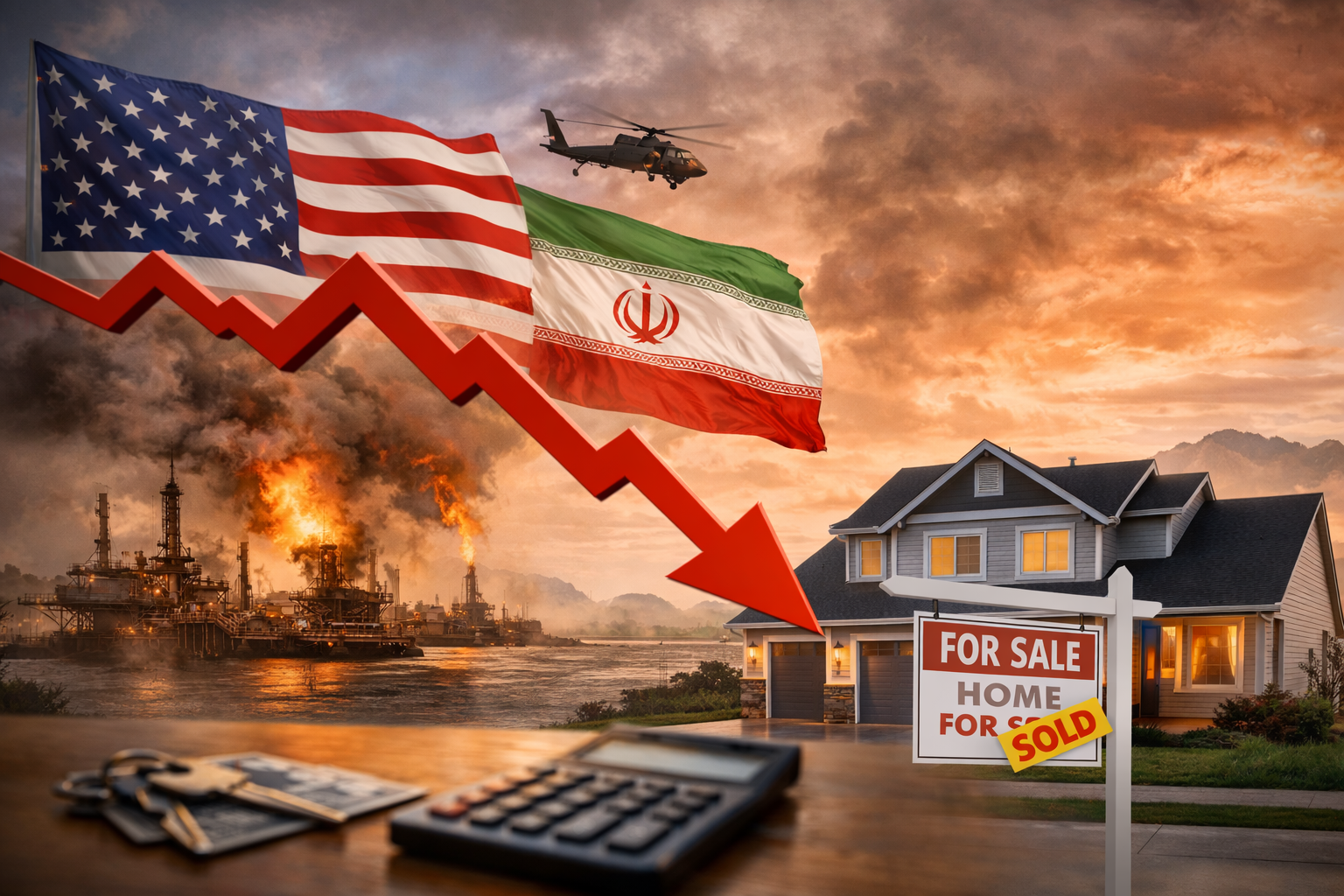
When major global events unfold, it’s natural to wonder how they might affect everyday life here at home. Recent tensions involving the United States and Iran have captured international headlines, but many homebuyers and homeowners are asking an important question:
Could global conflicts actually impact the housing market?
While the real estate market is largely driven by local factors such as supply, demand, and job growth, global events can still influence mortgage rates, inflation, and consumer confidence all of which play a role in housing activity.
Let’s take a closer look at how geopolitical tensions can ripple into the real estate market.
The Oil Price Effect
Conflicts in the Middle East often affect oil markets because the region plays a major role in global energy supply. When tensions rise near key shipping routes like the Strait of Hormuz, oil prices often increase due to fears of supply disruption.
Higher oil prices don’t just affect gas at the pump. Energy costs impact transportation, manufacturing, and even construction materials. When these costs rise, inflationary pressure can spread across the economy.
Inflation is one of the key factors that influence interest rates including mortgage rates.
Why Mortgage Rates Can React
Mortgage rates are closely tied to broader financial markets, particularly the U.S. bond market. During times of geopolitical uncertainty, investors often react by adjusting their expectations about inflation, economic growth, and interest rates.
If inflation is expected to rise due to higher energy costs or supply disruptions, interest rates may stay elevated longer. Higher mortgage rates can reduce affordability for buyers by increasing monthly payments.
Even small rate changes can make a noticeable difference. For example, a shift from 6% to 6.5% on a typical mortgage could mean hundreds of dollars more per month depending on the loan size.
Consumer Confidence Matters
Another way global conflict can influence the housing market is through consumer sentiment.
When the news cycle is filled with uncertainty, some buyers may pause major financial decisions while they wait for more stability. This can temporarily slow housing activity in some markets.
However, history shows that real estate often remains resilient during uncertain times. Housing is a long-term investment, and many buyers continue moving forward with purchases based on personal life changes like relocation, family needs, or job opportunities.
What It Means for Texas and Growing Markets
Markets with strong population growth and economic expansion often remain active even when national uncertainty rises.
Cities like San Antonio continue attracting new residents due to affordability, military presence, job growth, and lifestyle opportunities. These local fundamentals can help stabilize housing demand even when global events create short-term volatility.
For many buyers, timing the market based on world events is extremely difficult. Instead, successful homebuyers often focus on long-term financial readiness and the right home for their needs.
The Bottom Line
Global conflicts like the current tensions between the United States and Iran can influence financial markets, oil prices, and mortgage rates. These factors can indirectly affect the housing market, particularly through affordability and buyer confidence.
However, real estate markets typically respond more slowly than stock markets and are largely shaped by local economic conditions.
For buyers and sellers, the most important considerations remain personal financial goals, long-term plans, and local market trends.
⭐ Thinking about buying or selling a home this year?
Whether you’re planning your next move or simply want to stay informed about the market, I’m always happy to help you navigate today’s real estate landscape with confidence.
Reach out anytime to start the conversation.
Categories
Recent Posts


GET MORE INFORMATION